





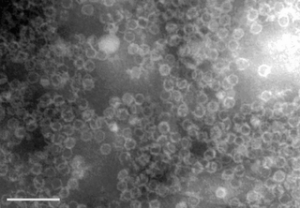
 Human bocavirus 1 (HBoV1), a member of the parvovirus family, was first identified as a potential human pathogen in the year 2005. Human bocavirus 1 is found associated with lower respiratory infections in young children. Recently human bocavirus2-4 has also been discovered associated mainly with gastroenteritis. Human bocavirus 2 is found more commonly than human bocavirus 3 or 4 in the stools of young children with diarrhea.
Studies found human bocavirus to be associated with variety of signs and symptoms which include rhinitis, pharyngitis, cough, dyspnea, wheezing, pneumonia, acute otitis media, fever, nausea, vomiting, and diarrhea. Since high co-infection rates in symptomatic patients have been identified, human bocaviruses have been questioned in being sole potential etiology responsible for these manifestations.
Human bocavirus 1 has also been found to play a role in Acute Otitis Media, as its DNA often occurs in the nasopharynx of otitis-prone children.
Scientists from Finland have indicated human bocavirus 1, a true and common respiratory pathogen in their large Finnish study. According to the study, human bocavirus 1 causes respiratory symptoms to develop in more than 60% of the children at the time of initial infection. Although reinfection is common but usually remains asymptomatic. The study also confirmed the association between human bocavirus and childhood ear infections.
Human bocavirus 1 is fairly prevalent in children presenting with acute wheezing. In a particular study, Serologic specimen obtained from the patients with acute wheezing were found to be positive for human bocavirus DNA, representing systemic infection. The finding suggests that human bocavirus 1 may also cause severe life-threatening systemic infection as was evidenced in december 2011.
Quantitative polymerase chain reaction (PCR) and serology are the best diagnostic approaches available to date.
Human bocavirus as an emerging potential human pathogen, raises the concerns regarding human health and treatment. Probiotics were found to reduce the occurrence of human bocavirus (HBoV) and possibly the viral infection.
We still need more to explore about the occurrence, prevention and treatment of this new culprit which has created a need to conduct more thorough trials, bringing the new diagnostic approaches like quantitative PCR and serology in use. This puts forward yet, a new challenge for scientists and researchers!!!